

Cart
0
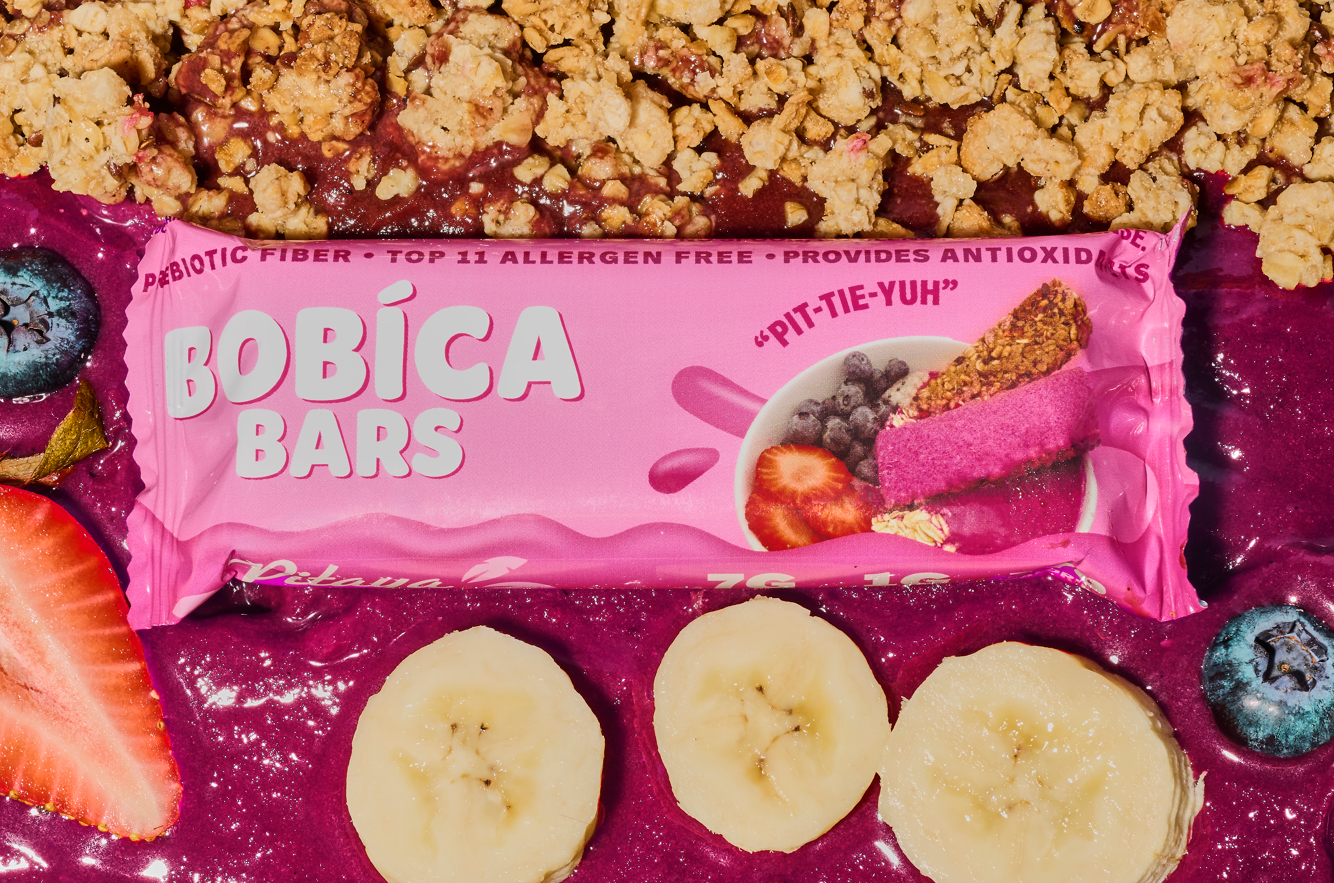

Pitaya and dragon fruit are the same thing. Two names for one fruit, which is why menus use them interchangeably and why nobody can ever quite tell if they are supposed to be different.
Here is what it is, what it tastes like, why some of it is hot pink inside and some is white, and why it shows up in smoothie bowls everywhere.

Pitaya vs dragon fruit: what is the difference?
There is none. "Pitaya" comes from Spanish and is what the fruit is called across Latin America. "Dragon fruit" is the English name, taken from the way the pink skin flares out in overlapping scales.
If a menu says pitaya bowl and another says dragon fruit bowl, you are ordering the same fruit. Smoothie shops tend to prefer "pitaya" because it sounds a little more like an ingredient and a little less like a novelty.
One genuine quirk: it grows on a cactus. A climbing cactus that flowers at night, which is a strange origin for something that ends up in a breakfast bowl.
What does pitaya taste like?
This is the actual question most people are asking, and the honest answer is: milder than it looks.
Pitaya is subtly sweet, closer to a kiwi crossed with a pear, with a very light floral note. The texture does more work than the flavor. It is soft, a little juicy, with tiny black seeds throughout that give it a faint crunch, similar to a kiwi.
If you were expecting something as intense as the color, it is not that. Which is exactly why it works so well as a base. It takes on other flavors easily and brings a color no other fruit can.
The color is not dye. The hot pink in a pitaya bowl comes from betacyanins, the same natural pigment family that makes beets red. Nothing is added to get that color.
Why some pitaya is pink inside and some is white
Three common varieties, all with pink or yellow skin:
- White flesh, pink skin. The most widely available and the mildest. This is what most grocery stores carry.
- Red or magenta flesh, pink skin. Sweeter, with a deeper flavor and that unmistakable color. This is what smoothie shops use for pitaya bowls.
- White flesh, yellow skin. The sweetest of the three and the hardest to find.
If you have tried pitaya once and found it bland, there is a decent chance you had the white variety, which is the least flavorful of the three.
Is pitaya actually good for you?
It holds up well. A one-cup serving runs about 103 calories with 5.6 grams of fiber, which is a strong fiber-to-calorie ratio for a fruit. It also carries vitamin C, magnesium, and a small amount of iron, which is unusual since very few fruits contain meaningful iron at all.
The seeds matter too. They contribute most of the fiber and some healthy fat, and unlike a lot of fruit seeds you eat them without thinking about it.
As with açaí, the caveat is what happens to it in a product. Pitaya on its own is mildly sweet. Pitaya in a bottled smoothie is usually pitaya plus a lot of juice concentrate.

How to eat it
Cut it in half lengthwise and scoop the flesh out with a spoon, like an avocado. The skin is not edible. Look for fruit that is bright and gives slightly when you press it, the same test you would use on a ripe pear. Rock hard means underripe, and unlike a banana it will not improve much on your counter.
Frozen pitaya packs are honestly the easier route for most people. Fresh pitaya is expensive, inconsistent, and often shipped underripe, while frozen is picked ripe and blends into a bowl straight from the freezer.
Or, if you want the flavor without the produce-aisle roulette, our Pitaya bar uses real dragon fruit purée and freeze-dried fruit, at 170 calories with 1 gram of added sugar. Same bright, slightly floral thing, in something that fits in a bag.
Frequently asked questions
Is pitaya the same as dragon fruit?
Yes. Pitaya is the Spanish-derived name and dragon fruit is the English one. Same fruit, used interchangeably on menus.
What does dragon fruit taste like?
Mildly sweet, similar to a cross between kiwi and pear, with a soft texture and tiny crunchy seeds. Much subtler than the color suggests.
Is pitaya healthier than açaí?
They are strong in different ways. Pitaya has more fiber per serving and contains iron. Açaí is denser in antioxidants and contains healthy fat. Neither is a replacement for the other.
Can you eat dragon fruit seeds?
Yes, and you should. They carry most of the fiber and are eaten along with the flesh, the same way you eat kiwi seeds.
Why is my pitaya bowl so pink?
Red-flesh pitaya contains betacyanins, a natural pigment related to what makes beets red. The color is entirely from the fruit.

From a Bowl to a Bar
Superfood bars you can actually take with you
170 calories, 7g protein, 1g added sugar. Açaí, Pitaya, and Acerola Cherry. Gluten free, Non-GMO, OU Kosher.
Shop all three flavors
